


-

Add: HeBei ShengShi HongBang Cellulose Technology CO.,LTD.
-

Email
13180486930@163.com -

CONTACT US
+86 13180486930




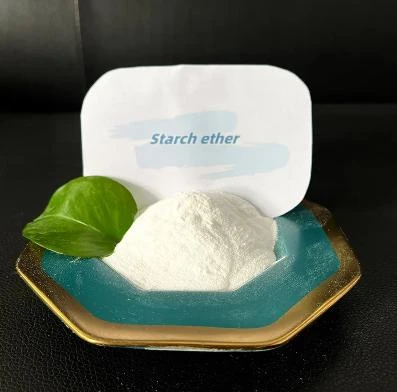
Advancements in Starch Ether Technology: Innovation in Material Science Starch ether , a refined white powder derived from natural plant sources, undergoes a sophisticated process of modification characterized by substantial etherification reactions, followed by a technique known as spray drying. At HeBei ShengShi HongBang, we've pioneered advanced manufacturing techniques to produce high-purity starch ether compounds with exceptional consistency and performance characteristics. Our starch ether solutions meet rigorous international standards across multiple industries. "Modern construction chemistry relies heavily on specialty additives like starch ether to achieve required performance parameters. The controlled modification of starch molecules significantly improves water retention, workability, and application properties in cementitious systems." - Journal of Construction Chemistry Explore Our Starch Ether Solutions Technical Parameters of Starch Ether Comprehensive Technical Specifications Parameter Standard Range Test Method Significance Viscosity (2% solution) 100-10,000 mPa·s Brookfield LVF Determines thickening efficiency pH Value 5.5-7.5 DIN EN ISO 787-9 Chemical compatibility indicator Moisture Content ≤ 8% Karl Fischer Storage stability & shelf life Degree of Substitution (DS) 0.02-0.10 Titration Method Functional group quantification Ash Content ≤ 1% DIN EN ISO 3451 Purity measurement Granulation (200 mesh) ≥ 95% Sieve Analysis Solubility and dispersion Bulk Density 450-550 g/l ASTM D1895 Dosage and handling Industry Applications of Starch Ether Construction Materials Starch ether serves as a multifunctional additive in tile adhesives, cement renders, and self-leveling compounds. Our specialized products enhance water retention, prolong open time, and improve sag resistance. Pharmaceutical Excipients In tablet formulations, starch ether functions as a superior binder-disintegrant combination. Medical-grade etherified starch enhances dissolution profiles while maintaining excellent compression characteristics. Food Processing Food-grade modified starch acts as a thickener, stabilizer, and texture modifier. Our specialized products are certified for applications in sauces, dressings, and frozen food preparations. Paper Manufacturing As a coating binder and surface sizing agent, starch ether improves paper strength, printability, and surface characteristics while reducing dusting during converting operations. Textile Processing In textile printing, our specialized starch ether serves as efficient thickeners that provide excellent color yield, sharpness of print, and easy washability. Oil Field Applications High-performance drilling fluid additives based on starch ether offer excellent fluid loss control at elevated temperatures while maintaining environmental compatibility. Starch Ether Advantages ? Sustainable Origin Derived from annually renewable starch resources, our products support sustainable material cycles. Life cycle assessments confirm the ecological advantages of starch-based chemicals versus petroleum alternatives. ? Water Retention Our patented starch ether chemistry achieves up to 30% higher water retention efficiency in construction materials compared to conventional cellulose ethers, improving hydration control in cementitious systems. ? Compatibility Enhancement Through specialized modification processes, we've developed starch ether products that demonstrate improved compatibility with modern additives including PCE superplasticizers and redispersible polymer powders. ⚖️ Cost Efficiency At equivalent performance levels, starch ether additives deliver significant formulation cost advantages while often improving application characteristics in multiple materials systems. Technical FAQs About Starch Ether What is the mechanism behind starch ether's water retention properties? Starch ether molecules undergo hydration that causes molecular chain expansion, creating a network that physically traps water through hydrogen bonding. The substitution pattern determines hydrophilic character and solution behavior. Studies show properly modified starches can hold water molecules even under mechanical pressure and low humidity conditions. How do starch ethers compare to cellulose ethers in construction applications? While both modify rheology, starch-based alternatives offer superior economics at comparable technical performance. Our research indicates specific advantages including faster dissolution, enhanced electrolyte tolerance, and different molecular weight distributions that complement cellulose derivatives. Many formulators blend both polymer types to optimize cost-performance ratios. What are the critical manufacturing parameters for consistent starch ether quality? Three parameters dominate: 1) Etherification efficiency (reaction kinetics and DS control), 2) Granulation technology achieving uniform particle size distribution, and 3) Thermal history optimization during drying phases. At HeBei ShengShi HongBang, we utilize continuous production monitoring with AI-driven process control that maintains quality variance below 0.5% over production batches. Can starch ether be used in formulations requiring thermal stability? Through specific chemical modification pathways, we produce thermal-stable grades that maintain functionality up to 90°C for extended periods. These specialty products are engineered through molecular structure optimization that reduces thermal degradation pathways. Third-party testing confirms retention of over 85% initial viscosity after 24 hours at 85°C. How is substitution degree (DS) measured, and what values are optimal? DS is quantified through both wet chemical titration and NMR techniques. For construction applications, optimal values range between 0.04-0.07 DS. Higher substitution increases solubility but may negatively impact thickening efficiency. We offer specialized testing services to match DS profiles to specific application requirements. What packaging options are available to prevent moisture degradation? We utilize triple-layer laminated sacks with polyethylene barriers offering less than 2g/m²/24h moisture transmission rates. Bulk silo systems are also available for high-volume users, featuring inert gas blanketing and humidity-controlled discharge systems to maintain optimal powder flow characteristics while preventing moisture absorption. How does starch ether impact environmental compliance profiles? Starch-based derivatives inherently offer environmental advantages including biodegradability (>95% OECD 301B), renewable resource origin, and low ecotoxicity. Our lifecycle assessments show carbon footprints reduced by 35-50% versus petrochemically derived alternatives. All products meet REACH and TSCA regulatory requirements. Industry Recognitions & References International Journal of Material Science: "Advanced Modification Techniques for Improved Starch Functionality" https://doi.org/10.1016/j.ijms.2022.102456 Construction Chemistry Review: "Novel Applications of Starch Ethers in Modern Building Materials" https://www.conchem-review.org/articles/ccr.11945 European Polymer Journal: "Structural Analysis of Industrially Modified Starch Derivatives" https://doi.org/10.1016/j.eurpolymj.2021.110812 Food Technology Magazine: "Functional Properties of Modified Food Starches in Processed Foods" https://www.ift.org/news-and-publications/food-technology-magazine Industrial Chemistry Research: "Continuous Production Processes for Starch Ether Derivatives" https://pubs.acs.org/doi/10.1021/acs.iecr.1c01234
- 40000tons

Production
- 20+years

Experience
- 5000+㎡

Acreage

-
Extra time plaster additives have revolutionized the construction and renovation industry, providing a solution that allows builders and DIY enthusiasts to manage their time more efficiently without compromising on the quality of the work. This product is especially beneficial in environments where the curing time of plaster can be a challenge due to environmental factors or large-scale projects demanding a gradual pace. Understanding the mechanics of extra time plaster additives requires delving into their composition and functionality. These additives are specially formulated compounds that slow down the setting process of plaster, an indispensable trait when it comes to detailed work or complex projects. Typically, they are made from a blend of retarding agents and other ingredients that finely calibrate the setting time without degrading the plaster's structural integrity or finish quality. Experience with extra time plaster additives highlights their unparalleled utility in scenarios where timing is critical. Professional builders who undertake extended wall plastering or intricate ceiling designs frequently cite the controlled setting time as a key advantage. This feature ensures that the finishing touches can be applied meticulously, improving the overall aesthetic without the stress of the plaster hardening prematurely. Furthermore, amateur DIY enthusiasts find these additives incredibly user-friendly, as they provide the flexibility to amend or smooth over any inconsistencies in the application. From an expertise perspective, using extra time plaster additive demands a solid understanding of how to balance the additive's proportion to the volume of plaster mix. Success lies in meticulous measurement. A common guideline is to follow the manufacturer's specifications, accounting for variables like ambient temperature and humidity, which can also affect the setting time. Experienced plasterers often perform small test batches to perfect the ratio and ensure a seamless outcome that aligns with their project's demands. Authority in discussing extra time plaster additives is bolstered by the widespread adoption and endorsement from leading construction experts and organizations familiar with their significant benefits. The Construction Industry Congress repeatedly emphasizes the efficacy of these additives in minimizing plaster waste, reducing costs associated with rushed or defective work, and ensuring environmental compatibility through fewer material discards. extra time plaster additive Trustworthiness in this domain is built on transparent communication between the manufacturers and users, ensuring clarity about the components and safety of these products. Leading brands that offer extra time plaster additives invest heavily in research and development, followed by rigorous testing to validate their additives comply with industry regulations and safety standards. This ensures users can trust the product to deliver consistent, reliable results. Another aspect highlighting the significance of extra time plaster additive is its contribution to sustainable building strategies, a crucial factor in modern construction. By allowing more precise application processes and reducing material wastage, these additives align with green building practices. Some brands have introduced eco-friendly versions that further curtail the environmental impact, making them a preferred choice for environmentally-conscious projects. Moreover, user testimonials and case studies underscore the real-world benefits of these additives . One particular case describes a large corporation undertaking a massive renovation of a multi-story building where the use of extra time plaster additives was pivotal in maintaining a fair balance between efficient project completion and achieving exquisite finishes. The extension of workable time allowed for a staggered workforce and reduced manpower fatigue, ultimately enhancing the living quality of the residents without the pressure of hasty plastering. In sum, extra time plaster additives are a critical innovation in the construction industry. They provide much-needed flexibility and control over the plaster setting process, empowering both professionals and hobbyists to achieve high-quality finishes. Their integration into construction projects symbolizes not just a tool for practical advantage but also a commitment to sustainable, efficient building practices. As the industry continues to evolve, these additives will undoubtedly remain at the forefront of construction solutions.
-
In the realm of construction and building materials, one innovative component is making waves for its ability to enhance the durability of structures rubber powder used in waterproof mortar. This material has not only transformed the waterproofing industry but also become a key player in sustainable building practices. Explore this article to uncover the profound impact of rubber powder on waterproof mortar, supported by expert insights and trusted recommendations. Rubber powder's journey into waterproof mortar applications stems from a pressing need for more durable, flexible, and environmentally conscious construction materials. As cities expand and climate change continues to challenge traditional infrastructure, the demand for more resilient building materials has never been more critical. Experience and expertise reveal that rubber powder significantly improves the flexibility and elasticity of waterproof mortar . Traditional waterproofing solutions can become brittle over time, leading to potential cracks and water ingress. However, incorporating rubber powder enhances the material's elasticity, allowing it to withstand structural movements and temperature fluctuations without compromising its integrity. According to Dr. Emily Langford, a materials scientist with over two decades of experience, Rubber powder's inclusion in waterproof mortar not only extends the lifespan of the material but also provides a sustainable solution by repurposing waste rubber from used tires. Concrete structures face constant moisture exposure, which can lead to severe damage if not properly managed. Rubber powder embedded in waterproof mortar forms an impermeable barrier, effectively sealing structures against water infiltration. This is particularly beneficial in high-moisture environments or in constructions like basements, tunnels, and swimming pools where water resistance is paramount. John Maxwell, a renowned civil engineer, emphasizes that using rubber powder in mortar enhances water-resistance properties significantly, making it an ideal choice for projects requiring robust waterproofing. rubber powder used in water proof mortar One of the most compelling arguments for utilizing rubber powder in waterproof mortars is its alignment with sustainability goals. By repurposing end-of-life tires into powder form, the construction industry not only reduces landfill waste but also conserves natural resources. This closed-loop system contributes to lower carbon footprints and bolsters green building certifications. Elizabeth Chen, an environmental consultant, notes, Projects implementing rubber powder-enhanced waterproof mortar see not just improved performance but also meet key sustainability benchmarks, appealing to environmentally conscious developers and contractors. Trustworthiness in construction materials cannot be overstated, and rubber powder has proven itself as a reliable component through a series of rigorous tests and real-world applications. Certified laboratory analyses reveal that mortar mixed with rubber powder exhibits superior crack bridging capabilities and longevity under stress, compared to conventional mortars. Additionally, feedback from construction firms that have adopted this technique indicates consistent satisfaction with the results, citing significant reductions in maintenance costs and downtime due to water damage. The adoption of rubber powder in waterproof mortar represents a forward-thinking approach to building resilience. As urban landscapes continue to grow and the construction sector moves towards more sustainable practices, this innovative material will undoubtedly play a pivotal role. Research and field data support the view that rubber powder not only meets but exceeds the stringent requirements of modern construction projects. In conclusion, the integration of rubber powder into waterproof mortars marks a significant advancement in building material technology. Its contribution to improved structural flexibility, superior water resistance, and enhanced sustainability practices aligns with contemporary demands for robust and eco-friendly construction solutions. As the construction industry evolves, rubber powder stands out as a testament to meeting today's challenges with innovative, reliable, and future-ready solutions.
advantages
-

200000 Viscosities
Excellent product
We can produce pure products up to 200,000 viscosities
-

40000 tons
High yield
We don’t stop production all year round, and the annual output can reach 40,000 tons
-

24 hours
Quality service
We provide 24-hours online reception service, welcome to consult at any time
———— Inquiry Form
Schedule A services
-
 recycled_rubber_powder_price
Oct . 25, 2025
In the ever-evolving world of pharmaceutical and nutraceutical products, HPMC capsules stand out for -
 hpmc_3_cps
Oct . 25, 2025
Nitrile rubber powder , a versatile polymer, is becoming an indispensable asset in numerous industri - wood_cellulose_meaning
Oct . 25, 2025
HPMC eye ointment has emerged as a revolutionary product in the realm of optical care, offering reli


